Light
Darkness signals your body to produce melatonin. Light suppression in the evening supports better sleep.
Your bedroom is a tool for better sleep. Temperature, light, sound, and materials all matter. Learn what works, then implement it.
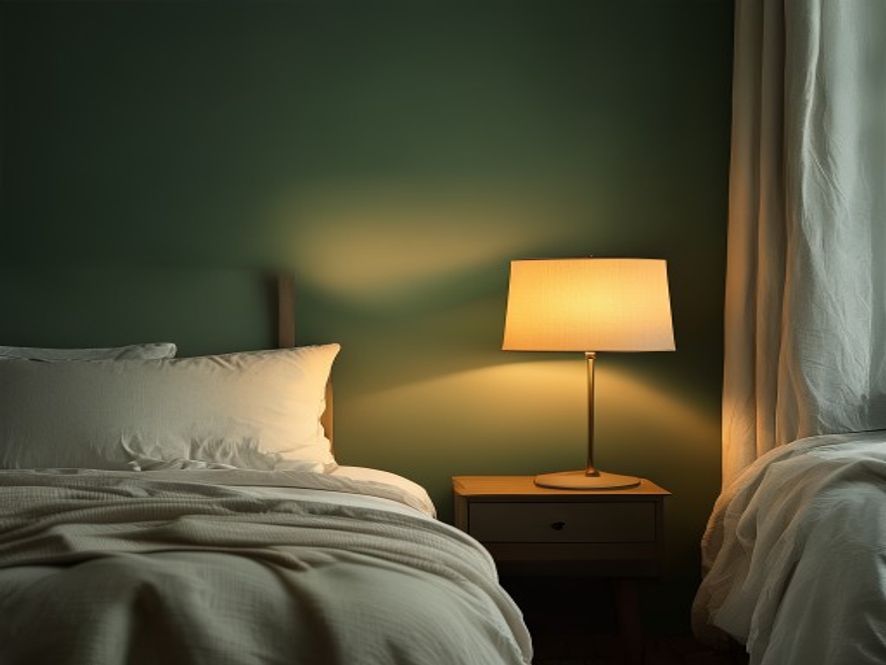
Darkness signals your body to produce melatonin. Light suppression in the evening supports better sleep.
Cool rooms (16–19°C) align with your body's natural sleep pattern. Keep your bedroom consistently cool.
Minimise disruptions. Choose quiet locations, use blackout curtains, or white noise if needed.
Quality bedding, supportive pillows, and breathable sheets support deep, uninterrupted rest.
| Element | Target | Action Items |
|---|---|---|
| Light Exposure | Complete darkness or <5 lux | Blackout curtains, remove screens, patch device lights |
| Temperature | 16–19°C (60–66°F) | Check thermostat, improve insulation, adjust bedding |
| Sound Levels | <30 dB (quiet conversation level) | White noise machine, earplugs, seal windows |
| Humidity | 40–60% | Use humidifier/dehumidifier as needed |
| Bed Quality | Supportive, comfortable, <10 years old | Replace if sagging, invest in good mattress |
| Bedding Fabric | Natural, breathable (cotton, linen) | Swap synthetic sheets, choose moisture-wicking |
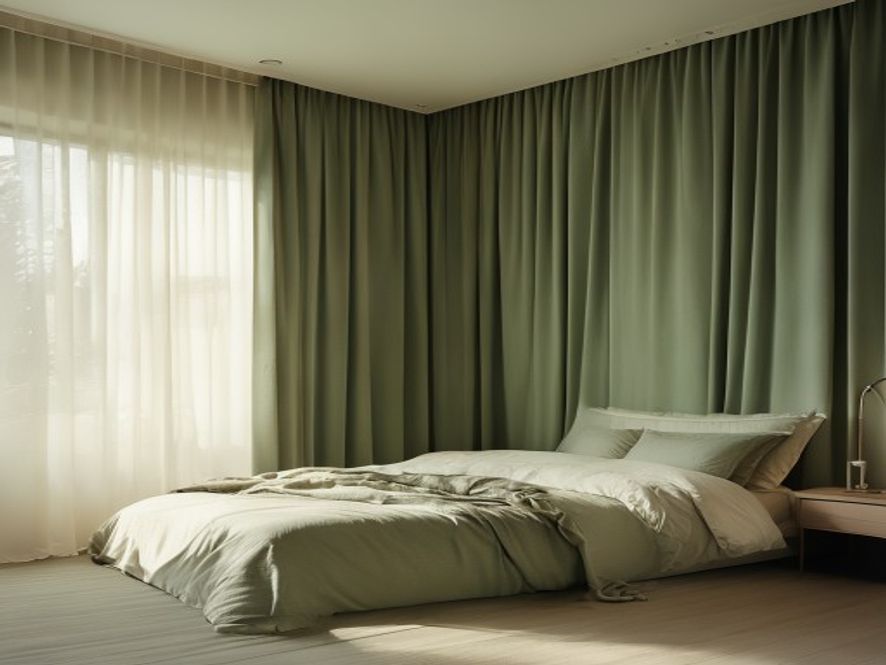
Your body relies on light to regulate sleep–wake cycles. Exposure to bright light during the day (especially morning) strengthens your rhythm. Evening darkness triggers melatonin production.
In your bedroom: Aim for near-complete darkness. Even small amounts of light (alarm clock glow, street light) suppress melatonin. Blackout curtains, eye masks, or dimmer switches all help.
Before bed: Reduce bright light 1–2 hours before sleep. Dim overhead lights, use warm lamps, avoid screens (or use blue-light filters).
Discuss Light Strategy with CoachMost people adapt within 3–5 nights. Start by lowering temperature 1°C every few days rather than dropping it all at once. Layer bedding so you can adjust as you acclimate.
Yes, especially if you live on a bright street or have early sunrise. Even inexpensive curtain liners block substantial light. If cost is a concern, dark sheets taped to the window work in the short term.
At moderate volumes (40–50 dB), white noise is generally safe and often helpful. However, very loud noise (over 70 dB) can disrupt sleep. Keep it low and consistent.
Firmness is personal. Most people sleep best on medium-firm mattresses that support spinal alignment without sinking. Test several options before purchasing. A sagging mattress (over 10 years old) should be replaced.
Our coaches can review your bedroom setup and recommend specific changes for your situation.
Book Environment Review